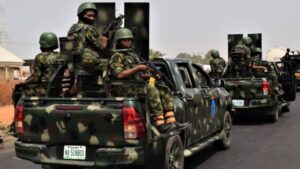
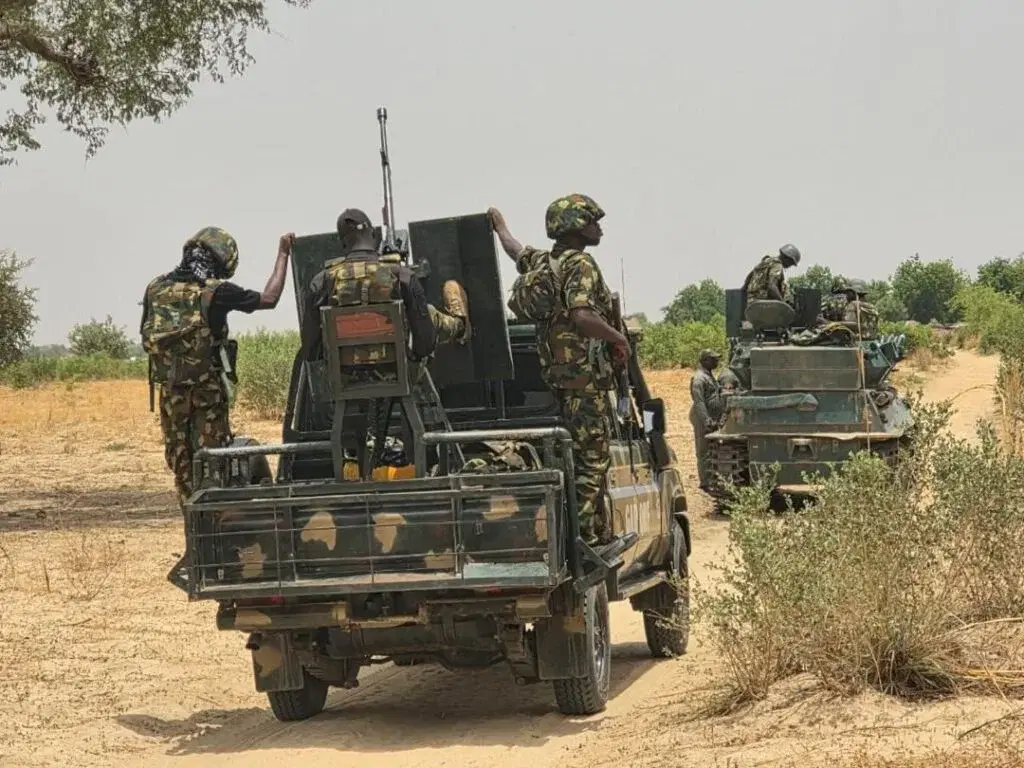
Troops of Operation Hadin Kai have repelled a coordinated, multi-directional assault by Islamic State West Africa Province (ISWAP) fighters in Kukawa Local Government Area of Borno State, with the Nigerian Army saying more than 25 terrorists were neutralised during the encounter.
The counter-offensive involved troops of the 101 Special Forces Battalion and air support, following an attack launched by the insurgents from four different directions.
The Acting Military Information Officer, Headquarters Joint Task Force, North-East, Operation Hadin Kai, Captain Mohammed Goni, disclosed the development in a statement issued on Tuesday.
According to Goni, the attackers were met with stiff resistance as troops responded with superior firepower and coordinated tactical manoeuvres, forcing the surviving terrorists to withdraw from the battlefield.
“Preliminary assessment indicates that over 25 terrorists were neutralised, with 14 bodies recovered so far,” Goni said.
The Army also reported the recovery of six AK-47 rifles and other arms and ammunition during subsequent exploitation of the area.
The military said troops were continuing to comb the area in an effort to recover additional weapons, locate fleeing insurgents and prevent the attackers from regrouping.
The operation, however, came at a cost to the Nigerian side, with the Army confirming that some soldiers were killed during the fighting. It described the fallen personnel as troops who paid the supreme sacrifice in the defence of the country.
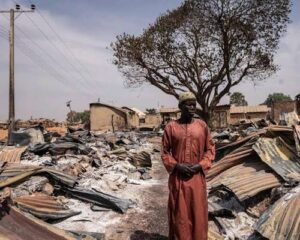
The latest confrontation underscores the continuing threat posed by ISWAP to military formations and communities across Borno, despite sustained counter-terrorism operations by the Nigerian military.
Kukawa, located in the northern part of Borno, has remained within the operational theatre affected by the long-running insurgency in the North-East, where ISWAP and Boko Haram factions have continued to carry out attacks against security forces and vulnerable communities.
The Army said the successful repulsion of the assault demonstrated the combat readiness of troops and the effectiveness of coordinated air-ground operations in disrupting terrorist activities.
It added that forces would sustain aggressive patrols, intelligence-led operations and coordinated offensive actions with other security agencies to dismantle terrorist networks, deny them freedom of movement and protect communities across the North-East.